wellness
Farm to Table, the Tasmanian Way: Your Guide to the Best Farmers Markets and What's in Season Right Now
With mid-winter produce hitting its peak across the Apple Isle, Hobart's farmers markets offer some of the freshest, most nutritious eating in the country, if you know where to look.
How we reported this
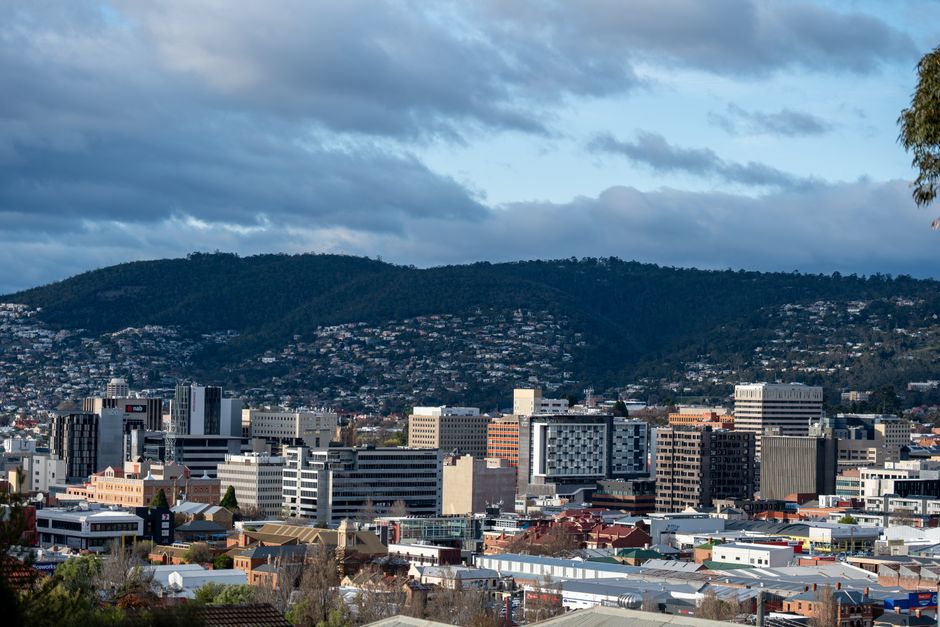
July is not a quiet month at Tasmania's farmers markets. Root vegetables are piling up on trestle tables, dark leafy greens are at their sweetest after the cold snaps, and the cheese and charcuterie producers who thrive in cooler climates are turning out some of their best work of the year. For anyone serious about eating well this winter, the argument for skipping the supermarket and heading to a local market has rarely been stronger.
The timing matters. Tasmania's cool temperate climate means its winter growing season runs almost opposite to the mainland's, producing dense, nutrient-rich vegetables at a time when most Australians are staring down imported salad greens. For Hobart residents, that gap between what's locally grown and what arrives refrigerated from Queensland is particularly visible right now, and local growers say the difference in flavour and nutritional density is significant. For personal dietary advice, consult a GP or accredited practising dietitian at a local clinic before making major changes to your eating habits.
Where to Go: The Markets Worth Setting an Alarm For
The Farm Gate Market on Melville Street in the CBD runs every Sunday from 9am to 1pm and remains the anchor of Hobart's fresh food culture. Around 60 stallholders set up weekly, covering everything from biodynamic vegetable growers out of the Huon Valley to small-batch sourdough bakers and cold-pressed juice producers. Parking fills fast after 9:30am, so early arrivals get both the best produce and a warmer cup of coffee.
The Salamanca Market, held every Saturday morning along Salamanca Place at the waterfront, draws larger crowds and a broader mix of goods, but the food producers are worth seeking out specifically. Look for stalls from growers based in the Coal River Valley and Derwent Valley, two of the state's most productive agricultural corridors. The market runs from 8:30am to 3pm, and the vegetable stalls tend to sell out of the best lines, celeriac, purple sprouting broccoli, Jerusalem artichokes, well before noon.
Further north, the Harvest Launceston Community Farmers Market operates in Princes Square every Saturday morning and is the most practical weekly option for residents of the Tamar Valley region. It draws directly from producers across the Northern Midlands, where cool nights and reliable rainfall make for exceptional brassica crops through July and August.
What to Buy: The July Seasonal Shortlist
Winter brassicas are the headline act. Kale, cavolo nero, kohlrabi and Brussels sprouts are all at peak condition through July, and Tasmanian-grown varieties tend to be considerably more compact and flavoursome than their mainland counterparts. Expect to pay around $3 to $5 per bunch for kale at Farm Gate Market, roughly comparable to supermarket pricing but meaningfully fresher.
Root vegetables are also performing strongly this season. Parsnips, celeriac, turnips and heritage carrot varieties from Huon Valley producers are appearing in volume. Celeriac in particular is worth prioritising: it stores well for up to two weeks in a cool spot, it's versatile roasted or puréed, and it carries a solid hit of vitamin C and potassium. A single large celeriac from a market stall typically costs between $4 and $6 and will anchor multiple meals.
Tasmanian-grown apples, still moving from cool storage after the autumn harvest, remain excellent value at around $4 to $5 per kilogram for heritage varieties like Cox's Orange Pippin and Sturmer Pippin. The state's apple industry, centred on the Huon Valley south of Hobart, is one of the oldest in the country, and the variety range available at markets is far broader than anything on a supermarket shelf.
For those who do their weekend exercise at the Hobart Waterfront parkrun along the Intercity Cycleway before heading to the markets, the loop works well: the 5km course finishes close to Salamanca Place, leaving enough time to shop before the best stalls pack up. Bring cash, many smaller growers still don't run card readers, and a sturdy bag. A $30 to $40 spend across both root vegetables and brassicas at any of these markets will cover a serious week of winter cooking.