wellness
The Science Behind Tasmania's Cold-Air Wellness Movement: What the Research Actually Shows
From kunanyi summit hikes to Hobart Waterfront parkrun, Tasmanian wellness culture has long leaned into the island's crisp climate, and the physiology behind it is more compelling than most realise.
How we reported this
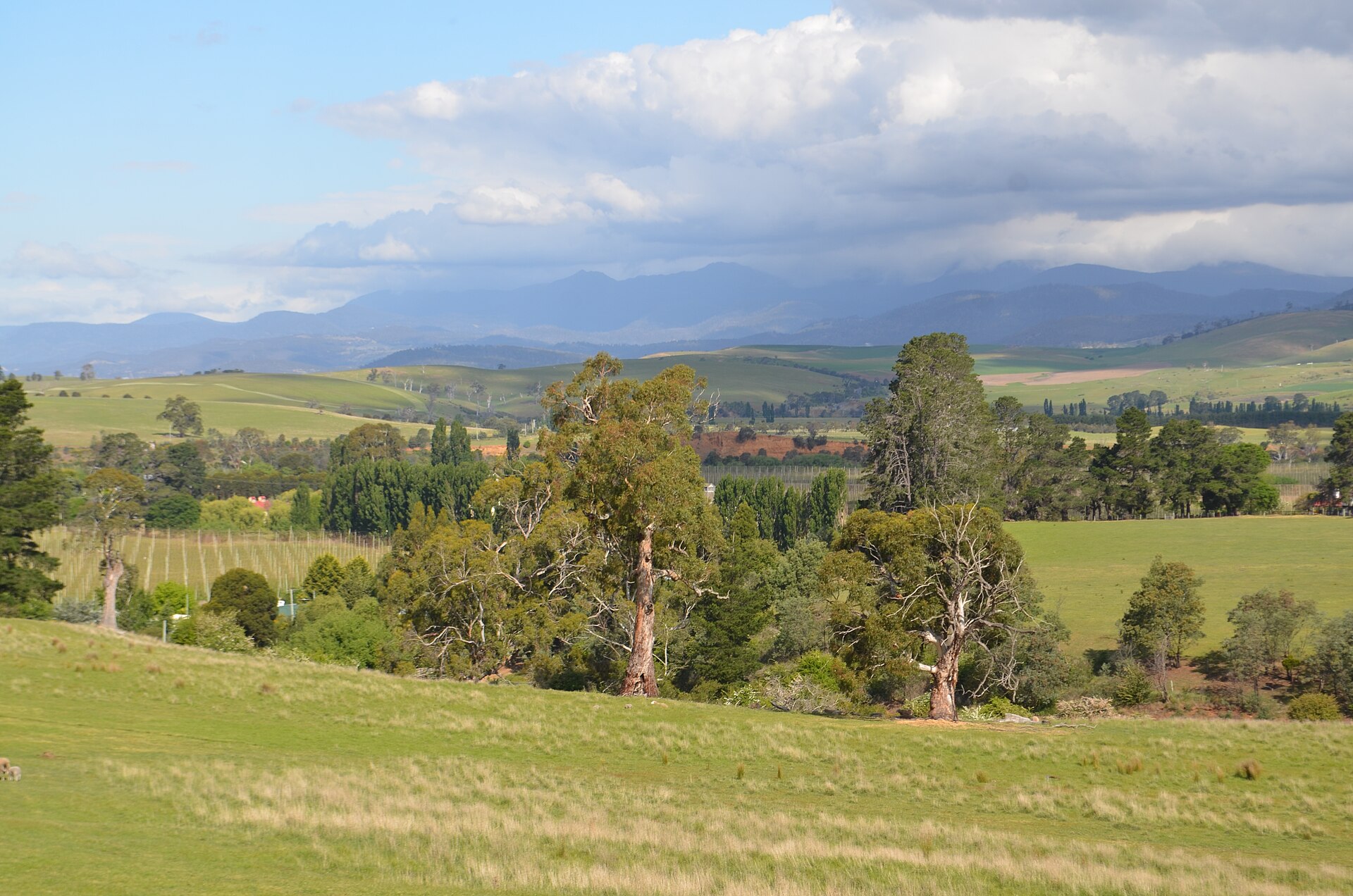
Tasmania's average winter temperature sits well below the mainland average, and for years that has been treated as a liability. Increasingly, researchers and local health advocates are arguing the opposite. The island's cold, clean air, particularly at altitude and along the waterfront, appears to offer measurable physiological benefits that align with a growing body of international evidence on cold-exposure wellness.
The timing matters. Mid-2026 has brought renewed public focus on preventive health across Australia, as cost-of-living pressure squeezes discretionary healthcare spending and more people seek low-cost, evidence-backed strategies. In that environment, what Tasmanians have been doing on weekend mornings along the Hobart Waterfront or up the kunanyi/Mt Wellington track isn't just recreation, it has a research framework behind it.
What the Physiology Actually Says
Exposure to cold ambient air, broadly defined in exercise science literature as temperatures below 10°C, triggers a cascade of responses in the human body. Brown adipose tissue, sometimes called brown fat, activates to generate heat through a process called non-shivering thermogenesis. Unlike white fat, brown fat burns calories and has been associated in peer-reviewed research with improved insulin sensitivity and metabolic regulation. A 2022 study published in the journal Nature Metabolism found that regular cold exposure increased brown adipose tissue activity in adult participants, with effects measurable after as few as ten days of consistent exposure.
Aerobic exercise in cold air also tends to reduce the cardiovascular strain that heat places on the body, allowing sustained effort at lower perceived exertion. That means the 5.1-kilometre Hobart parkrun course along the Waterfront precinct near Salamanca Place, held every Saturday morning at 8 a.m., functions, in physiological terms, as a more efficient cardiovascular stimulus in July than it does in February. Parkrun Australia records show the Hobart event regularly draws between 200 and 350 participants each week, making it one of the more active community fitness fixtures in the state.
The University of Tasmania's Menzies Institute for Medical Research, based on Liverpool Street in Hobart's CBD, has published work relevant to cold-climate health, particularly around cardiovascular and metabolic risk in Tasmanian populations. While their primary focus is disease epidemiology rather than wellness optimisation, the institute's population-level data on Tasmanian health outcomes provides a useful backdrop: Tasmania historically records higher rates of respiratory and cardiovascular disease than the national average, which health professionals have attributed in part to socioeconomic factors and smoking prevalence, context that makes preventive, community-based wellness strategies particularly relevant here.
Local Infrastructure Supports the Science
The kunanyi/Mt Wellington summit sits at 1,271 metres above sea level, roughly 20 minutes by road from the Hobart CBD via the Pinnacle Road. In winter, summit temperatures regularly drop to between minus 2°C and 4°C, with wind chill pushing the felt temperature lower. The Pipeline Track and Organ Pipes Track, both accessible from Fern Tree in Hobart's foothills, offer cold-air hiking options without requiring summit exposure, a practical entry point for people new to cold-climate exercise.
Closer to sea level, the Hobart Waterfront precinct stretches from the Brooke Street Pier south toward the Salamanca arts and markets precinct. Morning walkers and runners there contend with southerly winds off the Derwent River that routinely bring ambient temperatures into the 4°C-7°C range through June and July. Anecdotally, the Hobart parkrun community has noted stronger winter attendance than summer in recent years, which aligns with research suggesting moderate cold is a motivator rather than a deterrent for habituated exercisers.
For Tasmanians thinking about building cold-air activity into their routine, sports medicine practitioners in Hobart generally recommend layering moisture-wicking base layers under wind-resistant outer shells, staying hydrated despite reduced thirst sensation in the cold, and warming up indoors before stepping out. Anyone managing cardiovascular conditions, asthma, or Raynaud's phenomenon should consult a GP or specialist before beginning a cold-weather exercise program, the benefits are real, but so are the individual variables. The Royal Hobart Hospital's outpatient physiotherapy service on Liverpool Street can provide tailored guidance for those with existing conditions.
The science isn't new. What is new is that Tasmanians are sitting on one of the better natural laboratories for it, and the research is finally catching up to what the island's walkers and runners have been doing for years.