wellness
Tasmania Leads Global Wellness Trends Through Hiking, Running Innovation
From kunanyi summit hikes to Hobart's waterfront parkrun, Tasmanians are embracing global health trends on their own terms.
How we reported this
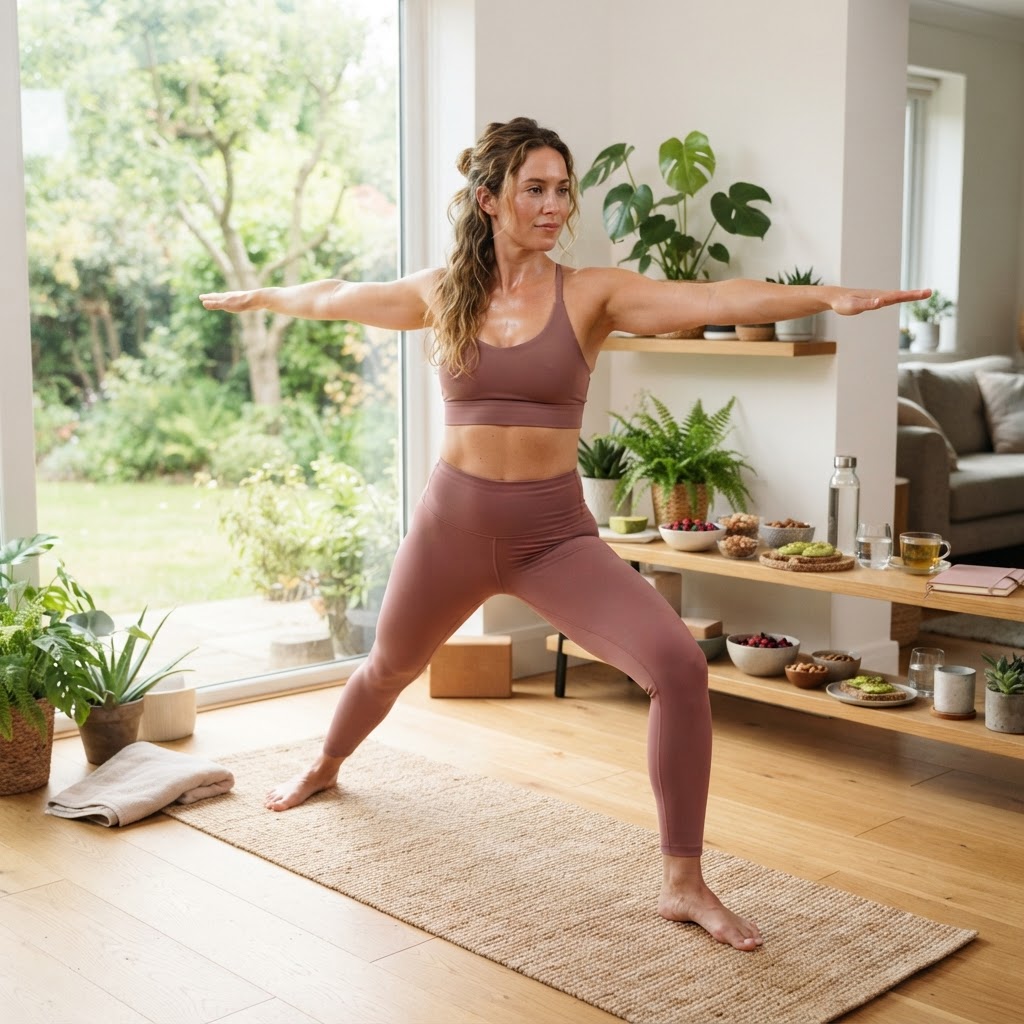
Tasmania has quietly built one of the most active outdoor wellness cultures in the Southern Hemisphere, and the timing matters. As international conversations shift toward hormonal health, smoke-free living, and community fitness infrastructure, the Apple Isle is finding that many of the global directions align almost perfectly with what locals have been doing for years, and where the gaps exist, they are starting to show.
Worldwide, the wellness industry is reckoning with questions that would have seemed niche five years ago: the role of melatonin and HRT in everyday life, the resurgence of smoking among younger adults, the fight to preserve public swimming infrastructure. Tasmanians are not immune to any of these pressures. But the state's geography, comparatively clean air, and a deep-rooted culture of outdoor movement give it a distinct starting point that most cities on the mainland, let alone in Europe, cannot replicate.
Running, Hiking, and the Infrastructure Behind It
The Hobart Waterfront parkrun, held every Saturday morning at 8 a.m. along the Sullivan's Cove foreshore, regularly draws more than 200 participants. That figure has grown steadily since the event resumed post-pandemic, reflecting a broader global parkrun boom that has seen event numbers climb across the UK, Australia, and South Africa. What distinguishes Hobart's version is the backdrop: the Derwent River on one side, kunanyi/Mt Wellington on the other, a visual reminder that more demanding terrain is never far away.
That mountain, its summit sitting at 1,271 metres, functions as an informal barometer of local wellness ambition. On any given weekend morning, the Pinnacle Track from the Chalet carpark draws walkers ranging from retirees to ultramarathon trainees. Parks and Wildlife Service Tasmania manages the access infrastructure, and the track itself has been subject to ongoing surface upgrades to handle increasing foot traffic. The global trend toward "green exercise", physical activity conducted in natural environments, has substantial research support, and kunanyi delivers it at a scale that few urban centres anywhere can match.
The University of Tasmania's Menzies Institute for Medical Research has for years produced work examining population health across the state, including cardiovascular outcomes and ageing. That institutional presence matters because it grounds local wellness conversations in evidence rather than trend cycles. When global discourse turns to hormonal health, as it emphatically has in mid-2026, there is at least a local research infrastructure capable of contextualising what the international headlines mean for Tasmanians specifically.
Where Tasmania Lags, and What's Being Done
Not every global wellness trend lands here cleanly. The campaign to restore and fund public lido pools, gaining momentum in Britain, where Labour MPs have taken up the cause, finds a partial echo in Tasmania, but the state's network of public pools remains thin outside greater Hobart. The Doone Kennedy Hobart Aquatic Centre on Davies Avenue is the anchor facility, but regional communities from Queenstown to St Helens rely on ageing infrastructure that has seen inconsistent investment over the past decade.
Smoking is the starkest area of concern. Globally, smoking rates among 18-to-24-year-olds have crept back upward in several wealthy nations, driven partly by aesthetic recoding of cigarettes in social media content. Tasmania's own youth smoking data, tracked through the Australian Institute of Health and Welfare, has historically mirrored national trends rather than outperforming them. The state government's Quit Tasmania program, which offers free nicotine replacement therapy through participating pharmacies, remains one of the most direct local tools available, but awareness of the program outside Hobart's inner suburbs is patchy at best.
For Tasmanians trying to make sense of competing wellness signals, whether that's a new hormone therapy discussed in a Guardian feature, or a neighbour's enthusiasm for cold-water swimming in the Derwent, the most useful first step remains a conversation with a GP or pharmacist who knows local conditions. What works in a London lido study or a Norwegian sleep clinic does not always transfer without adjustment to a Hobart winter. The state's clean air, accessible trails, and genuine community fitness culture are real assets. Using them consistently, with professional guidance on anything clinical, is the practical advantage Tasmanians already have.