wellness
Beyond kunanyi: The Hidden Nature Walks Locals Love But Tourists Miss
Looking past the crowds on Mount Wellington, Tasmanians reveal their favourite secret bush trails and waterside rambles-no tour bus in sight.
How we reported this
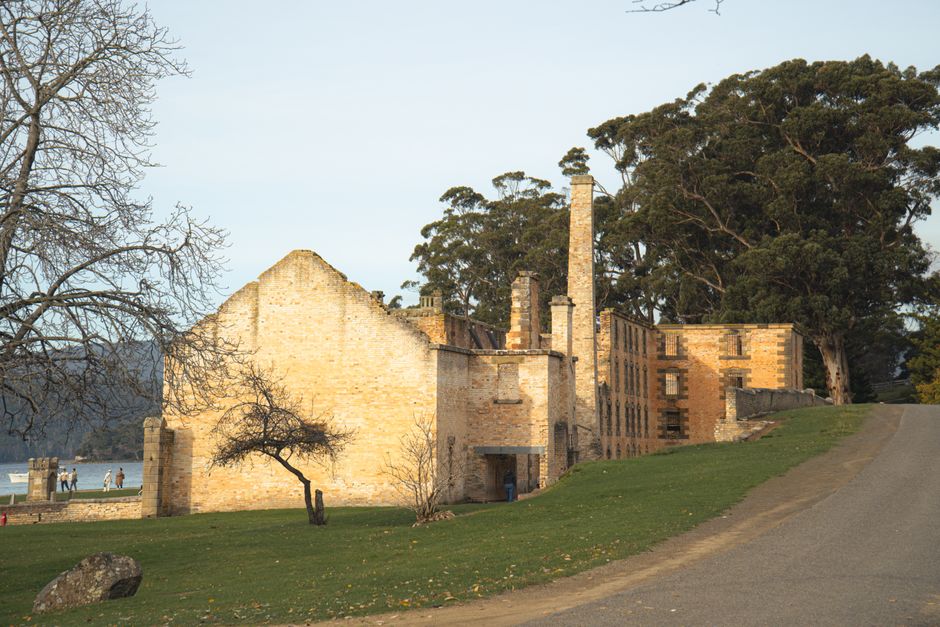
The bushland tracks behind Hobart’s busy skyline are drawing more local walkers this winter, as residents quietly flock to the secret corners overlooked by most Tasmanian travel guides. While tourists crowd the car parks on kunanyi/Mount Wellington, those in the know slip into lesser-known trails that wind through old-growth forests, along rocky creeks, and past gullies thick with wattle and peppermint gum.
Why These Hidden Paths Matter Now
This surge of local interest in off-the-map nature walks arrives against a backdrop of growing concern over overtourism and crowded reserves. With more than 320,000 visitors scaling kunanyi’s summit in 2023 according to City of Hobart figures, popular trails like the Organ Pipes Track have become bottlenecks on weekends. For residents seeking solace, the urge to avoid packed footpaths and tap into quieter, mess-free corners has taken on fresh urgency-especially as winter brings clear skies and snow-dusted bushland.
Tasmania’s reputation for clean air and pristine landscapes means wellness-minded locals are spoiled for choice. For those open to wandering beyond the guidebook’s first page, an entire network of underappreciated escapes comes into view. In South Hobart, the Waterworks Reserve hides a labyrinth of fern-lined tracks just off the Huon Road. The Gentle Annie Falls walk-barely signposted and best reached from Strickland Avenue-traces a creek to a gushing cascade surrounded by mossy boulders. On the Eastern Shore, the Tranmere foreshore walk, accessed via Oceana Drive, wraps along the River Derwent with looping views back to the city. These areas, often uncrowded even on sunny days, are cherished by dog walkers, runners, and families alike.
Where Locals Go-And Why
The Mount Nelson Signal Station Reserve, tucked above Sandy Bay, features short trails that dodge tourist traffic and offer panoramic vistas from the Truganini Track-a favourite among University of Tasmania health researchers mapping urban walkability. Heading north, Knocklofty Reserve, accessed from the end of Forest Road in West Hobart, provides a network of shaded bush tracks where wildflowers bloom from July. The regulars-often arriving on foot from the nearby West Hobart neighbourhood-favour this patch over the busier Domain for its birdlife and city-escape feel.
Organised groups such as Wildcare Tasmania have begun promoting these less-travelled spots in community newsletters, hoping to spread out foot traffic and encourage stewardship. According to Hobart City Council’s Parks and Recreation 2023 report, the number of locals using non-summit reserves grew by 14 per cent over the past two years, with Waterworks and Knocklofty among the top choices.
Access remains free for nearly every Hobart-area bush reserve, and city council budgets have earmarked more than $2.6 million for ongoing trail maintenance and signage upgrades in 2024-25. Parking at the Waterworks Reserve remains $6 per vehicle-funds that go toward upkeep and bushfire risk management, according to council information published this year.
Getting Started and Sticking With It
For those seeking hidden walks, local hiking maps are available at the Wellington Park Management Trust office on Davey Street, as well as digital versions on the council’s well-promoted Tracks and Trails portal. Wellness groups-including the Hobart Women’s Walking Network-run monthly guided strolls, often focusing on underutilised areas. Dress for changeable weather; morning frost is common even into August, but afternoon sun remains strong in exposed clearings.
Locals emphasise carrying water, letting someone know your route, and checking for leeches after rain. For anyone venturing out, consult your GP before tackling longer climbs, especially if new to hiking or managing health concerns. As word spreads, these gentle nature rambles promise a Tasmanian winter’s best-kept wellness secret-right at the city’s doorstep, and just far enough off the map to remain special.