wellness
Mindfulness in Schools: What Local Programs Are Available
Hobart classrooms are embracing meditation and mindfulness, but where can Tasmanian students access these supports?
How we reported this
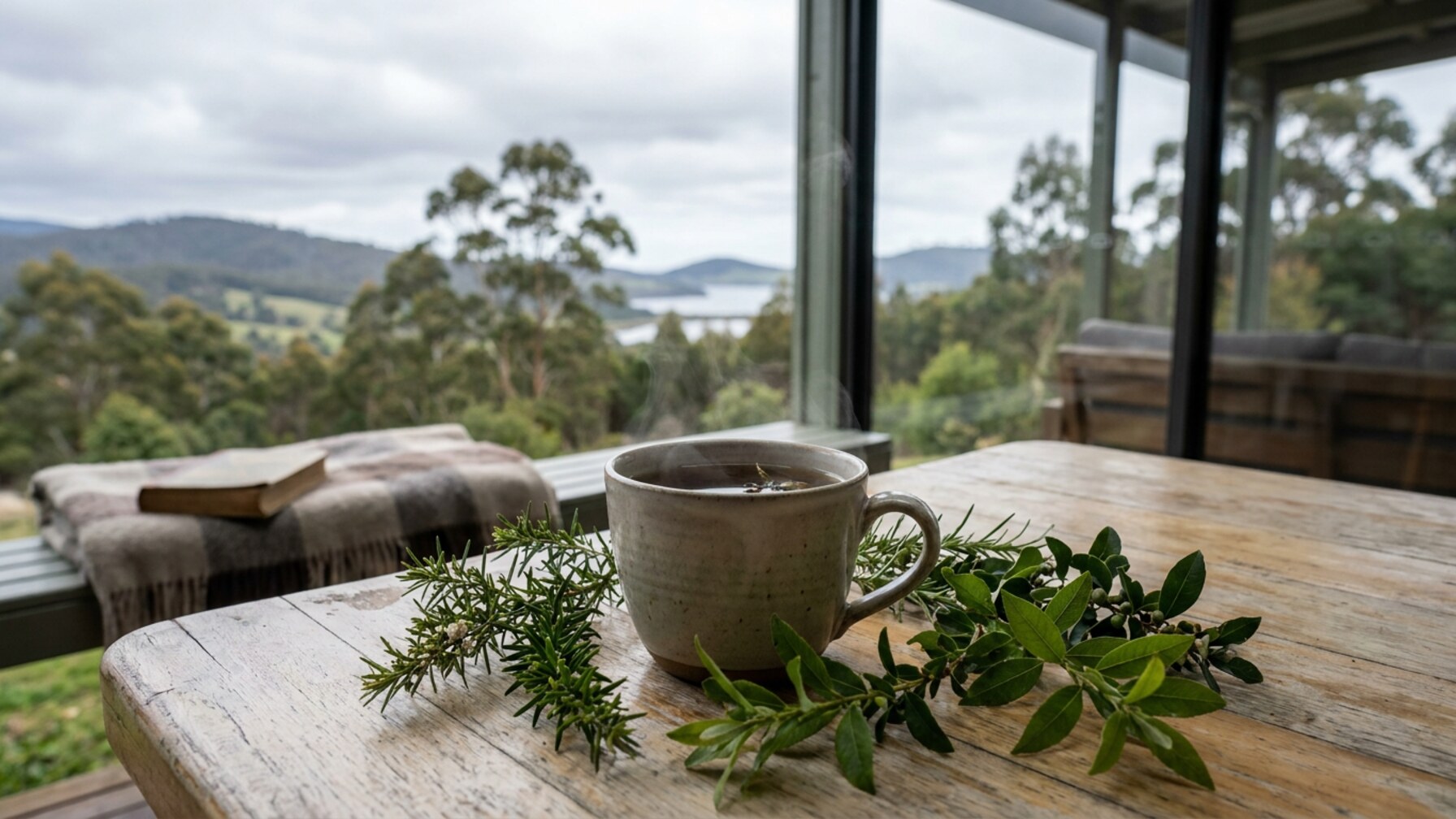
A growing number of Tasmanian schools are rolling out mindfulness and meditation sessions during classroom hours, as local educators look for new tools to help students manage stress, emotional regulation, and attention.
Pressure is mounting on school communities, and their students, to find effective ways to tackle youth anxiety and boost mental wellbeing. According to the Australian Institute of Health and Welfare, more than one in five Australians aged 11-17 reported experiencing high or very high psychological distress in 2023. Headlines about youth mental health continue to dominate, and many parents are seeking reassurance that their children are being taught strategies to cope long before exam season or social pressures ramp up.
Tasmanian Schools Bring Mindfulness to the Classroom
Schools across Hobart and regional Tasmania are piloting programs designed to make mindfulness part of the daily routine. At Lansdowne Crescent Primary School in West Hobart, teachers have set aside time for short guided breathing sessions in the classroom, with some students learning to use simple meditation apps on iPads. Over in Launceston, Kings Meadows High School has partnered with the national Smiling Mind program, which supplies free digital resources and lesson plans drawn from mindfulness research. These sessions are woven into morning home-groups or included as brain breaks after especially busy periods.
The University of Tasmania’s Mindfulness in Education Network, based out of Sandy Bay campus, also supports educators from schools in the Greater Hobart region. Through professional learning workshops, the network trains teachers in mindful movement, gratitude exercises, and other positive psychology practices. Local program coordinator workshops have often been hosted at the Menzies Institute for Medical Research on Campbell Street, with regular terms and community days advertised on school and university bulletins.
Local Evidence and Resources
While mindfulness in education has its critics, several studies have documented small but significant positive effects on children’s emotional regulation and classroom behaviour. According to a 2024 review published in the Australian & New Zealand Journal of Psychiatry, regular mindfulness practice in primary schools was associated with fewer reports of disruptive behaviour and improved peer relationships, particularly in Years 5 and 6. Smiling Mind, for example, reported reaching more than 240 Tasmanian classrooms in 2025, and their free app remains one of the most downloaded education tools in the state. Professional training for educators often costs between $220 and $350 per session, though many publicly funded workshops, especially those run via UTAS initiatives, are free for government school teachers.
For families wanting to explore mindfulness outside of school, the Hobart Mindfulness Centre on Davey Street runs after-school sessions for children aged 8-12. The Kingston LINC library also regularly hosts Mindful Kids drop-in workshops during school holidays. While these programs are strictly educational and never a substitute for clinical intervention, some families say they offer a helpful foundation for self-awareness and stress management.
Parents interested in finding out more about mindfulness at their school are encouraged to check newsletters or talk directly with learning support staff. Many of these programs run on a term-by-term basis, and schools regularly share updates on the Department for Education, Children and Young People’s Wellbeing Resources portal. Most local offerings are opt-in, and parents or carers should speak with a health professional before encouraging meditation exercises for children with specific medical or psychological needs.