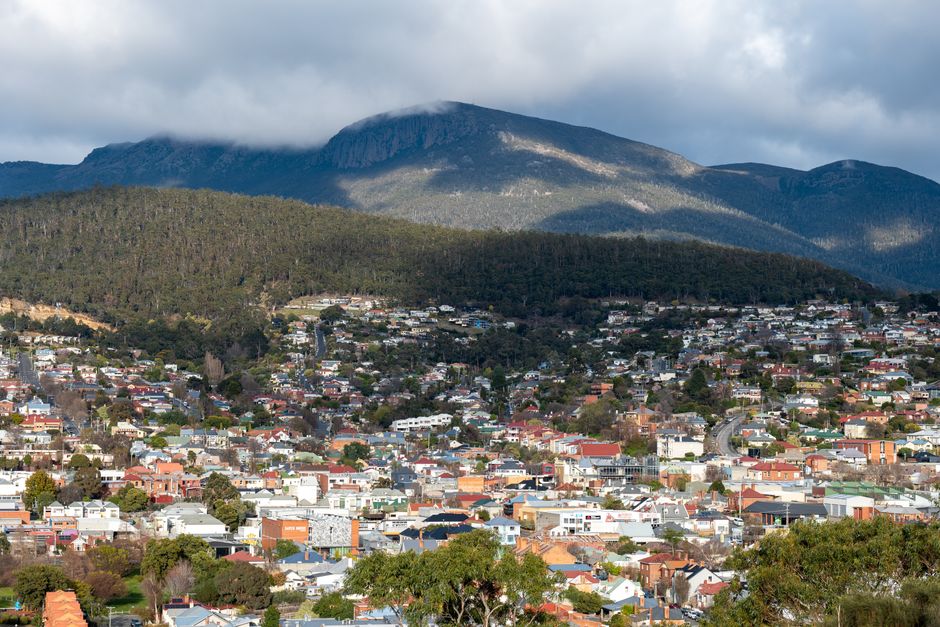
Tasmania has become one of Australia's most discussed retirement destinations among the cohort of mainland retirees who have assessed their options with the specific priorities of retirement in mind — access to nature, cultural richness, community connection, quality healthcare, and the financial security that comes from housing affordability relative to the mainland cities where many are selling their family homes to fund their retirement transition. The combination of these factors creates a retirement proposition that a growing number of Australians are finding more compelling than the Queensland or NSW coastal alternatives that have historically dominated the retirement migration market.
The retirement housing arbitrage from mainland capitals to Hobart is substantial and improving as mainland prices continue to rise while Hobart has stabilised. A Sydney or Melbourne retiree selling a home in the $1.2 million to $1.6 million range and purchasing a comparable Hobart home for $650,000 to $850,000 liberates between $350,000 and $950,000 in capital. At 4 per cent net income, this freed capital generates $14,000 to $38,000 per year in additional retirement income — a significant supplement to superannuation and pension income that can transform retirement financial security for couples whose super accumulation is moderate.
Healthcare in Hobart has improved, with the Royal Hobart Hospital expansion providing additional specialist capacity that reduces the need for mainland referrals for routine specialist care. Hobart now has a specialist medical community that covers most common retirement healthcare needs, though some subspecialties and complex procedures require travel to Melbourne. Retirees with complex or rare medical conditions should consult their specialists about the adequacy of Tasmanian healthcare for their specific situation before committing to the move.
Tasmania's cultural scene has transformed from what many mainlanders remember as a quiet capital into one of Australia's most vibrant creative communities. MONA — the Museum of Old and New Art — is the most dramatic example, but the broader arts, food, and festival ecosystem that has developed in Hobart and across the island has created a cultural richness that retirees value highly. The Dark Mofo and Mona Foma festivals, the Salamanca market, the extraordinary cool-climate food and wine culture, and the natural wonders from Freycinet to the Southwest Wilderness provide the retirement lifestyle that active retirees seek.
This article was compiled by AI from the sources linked above and screened before publishing. See our editorial standards.