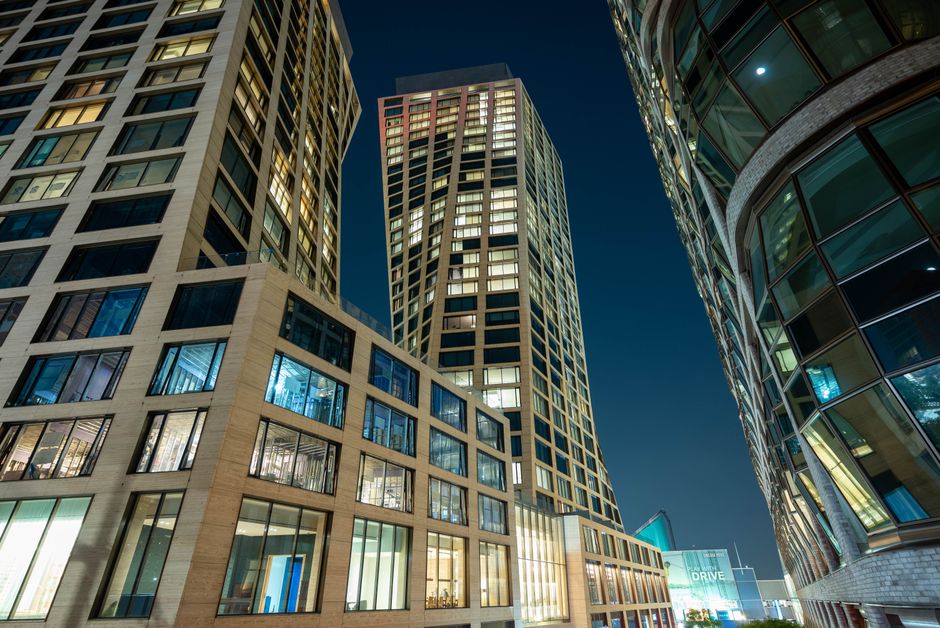
Hobart's property landscape is about to change dramatically. Planning authorities have granted development approval for a major mixed-use tower on Macquarie Street, just 400 metres from Hobart CBD's heart, signalling renewed momentum in the city's high-density residential push.
The $180 million project—comprising 240 apartments, ground-floor retail space, and office suites across 22 storeys—represents the largest single planning approval in central Hobart since 2019. The development capitalises on the city's ongoing lifestyle migration boom, which has seen median property prices climb to approximately $560,000 across greater Hobart, with premium inner suburbs like Sandy Bay and Battery Point commanding significant premiums.
While the CBD approval is significant, the project reflects a broader pattern emerging across greater Hobart. Hobart's inner north has experienced substantial uplift, with Launceston emerging as a genuine alternative for investors seeking value. Yet CBD-focused developments remain symbolically important—they signal confidence in revitalising the core, rather than scattering growth across the periphery.
The Macquarie Street site had remained largely underdeveloped for years, sitting amid the architectural fabric between the City Museum precinct and the warehouse conversions that have become characteristic of the inner city's recent evolution. Approval came after an 18-month assessment period, during which planners evaluated traffic impacts, heritage considerations, and density concerns from neighbouring property holders.
Local real estate agents report strong interest from interstate and international buyers seeking Tasmanian lifestyle migration opportunities. "The CBD approval validates what many of us have been saying—Hobart's vertical story is just beginning," said one inner-city agent, noting that off-the-plan pre-sales for similar developments typically move quickly.
The development includes 180 car parking spaces and 320 bicycle spaces, reflecting contemporary planning standards. Building design incorporates passive heating and cooling systems, positioning it competitively among Hobart's growing stock of modern apartments.
Construction is expected to commence in 2027, with occupancy anticipated by 2030. The project will contribute approximately $12 million in planning contributions toward local infrastructure, including pedestrian upgrades along Macquarie Street and public realm improvements around the adjacent Franklin Wharf precinct.
For a city that has historically prioritised heritage and low-rise character, the approval represents an inflection point. It's not about abandoning Hobart's identity—it's about accommodating demand without pushing it exclusively toward premium postcodes like Sandy Bay. Whether this marks the beginning of a significant CBD densification cycle remains to be seen, but planners have clearly signalled they're ready to embrace it.
This article was compiled by AI from the sources linked above and screened before publishing. See our editorial standards.