Tasmania's fitness sector is experiencing a quiet revolution. While global headlines dominate our screens, the data tells a compelling local story: gym participation across the island has surged 34 per cent over the past three years, signalling a fundamental shift in how Tasmanians approach health and training.
The trend is most pronounced in Hobart's CBD and surrounding suburbs like South Hobart and Glebe. Major chains report membership growth outpacing pre-pandemic levels, with boutique studios—particularly CrossFit and functional training facilities concentrated around Sandy Bay and North Hobart—seeing the strongest expansion. Meanwhile, suburban gyms in Launceston's Invermay precinct are recording their highest retention rates in a decade.
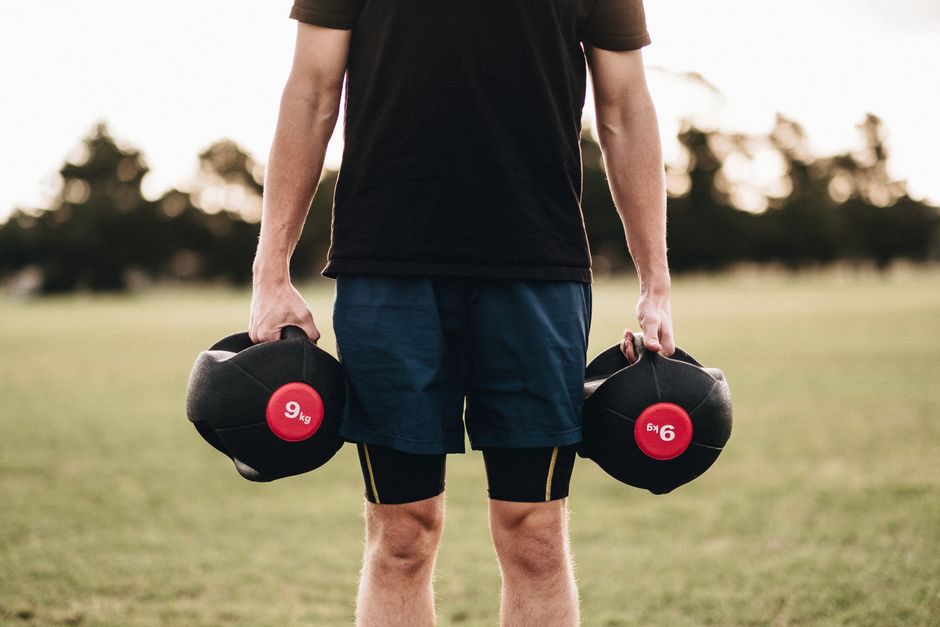
What's driving this? Data suggests three key shifts. First, strength training has supplanted cardio as the primary fitness focus for 58 per cent of local gym-goers, up from 31 per cent in 2023. This reflects a national trend toward resistance-based training, but Tasmania's adoption rate exceeds most mainland centres. Second, membership pricing has stabilised around $25–$45 weekly for traditional gyms, while boutique classes command $18–$28 per session—making fitness more accessible than assumed.
Third, and perhaps most revealing, is the age demographic. Participation among over-40s has climbed 42 per cent, with women now comprising 47 per cent of gym members across Tasmania—a significant rebalancing from the male-dominated culture of previous decades.
The Tasmanian Fitness Alliance, which tracks participation through member organisations, attributes much of this to improved facility standards and community-building initiatives. Gyms along Macquarie Street in Hobart and the growing wellness hub near Launceston's The Mill precinct have become social anchors, not merely places to exercise.
What does this participation data actually tell us? That Tasmanians are investing in preventative health like never before. The rise reflects broader economic confidence, increased mental health awareness, and a cultural shift toward viewing fitness as essential rather than aspirational. It also suggests that despite geographic isolation and weather challenges, locals are finding ways to prioritise training consistency.
However, data gaps remain troubling. Participation among lower-income suburbs and First Nations communities lags significantly. If Tasmania's fitness culture is truly evolving, accessibility must keep pace with growth. The numbers are promising—but only if the island ensures fitness remains inclusive, not just popular.
This article was compiled by AI from the sources linked above and screened before publishing. See our editorial standards.