The numbers paint a curious portrait of modern Tasmania. Across the city's sprawling network of amateur leagues and clubs, participation patterns have shifted dramatically over the past three years, offering unexpected insights into how Tasmanians view health, community, and leisure time.
Data compiled from major recreational organizations shows mixed but revealing trends. Social futsal leagues operating across venues near Sullivan's Cove and in the Northside precinct have seen enrollment climb 67% since 2023, with evening fixtures now regularly attracting 200-plus players across multiple divisions. Meanwhile, traditional winter sports bodies report stagnation, suggesting fundamental changes in how locals prefer to structure their sporting lives.
"What we're seeing is a preference for shorter-format, higher-intensity activities that fit around work schedules," explains the operational landscape at clubs like those operating from Hobart's expanding sports quarter along Murray Street. Membership fees for futsal—typically $180-240 per season per player—sit comfortably below traditional team sports, a factor that likely contributes to accessibility.
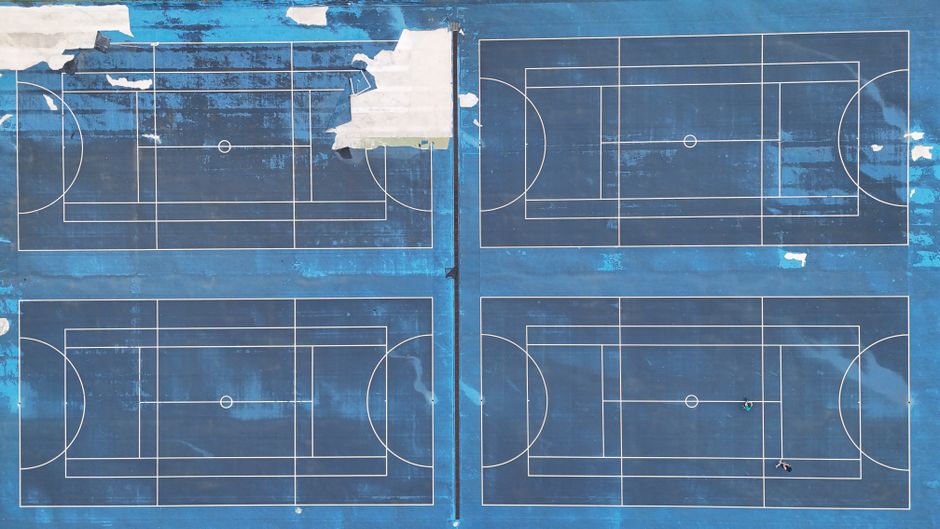
Netball clubs across Tasmania, particularly those based at suburban venues in Lauderdale and Kingston, report steady participation of around 420 active players across all grades. That consistency masks a generational story: junior membership has strengthened while over-35s participation has grown unexpectedly, bucking demographic predictions that suggested declining engagement among older age groups.
Tennis clubs in the eastern suburbs report 2024 membership at approximately 310 members across three facilities—a modest figure that hints at the competitive pressure posed by gym memberships and boutique fitness studios that have proliferated across the city. Monthly gym passes now undercut traditional club fees, offering flexibility that appeals to working professionals.
Running clubs tell another story entirely. Parkrun participation—those free, weekly 5km events held Saturday mornings at locations like Queens Domain—has grown to average 180 attendees per event, suggesting a groundswell of grassroots fitness engagement that exists largely outside formal club structures.
The data collectively suggests Tasmanians increasingly view recreational sport through a pragmatic lens: affordability matters, time efficiency matters, and community matters, but not necessarily in traditional packaging. Clubs offering flexible participation, shorter time commitments, and lower barriers to entry are thriving. Those requiring longer seasons or significant financial commitment face headwinds.
For city planners and sports administrators, the message is clear: Tasmania's fitness culture is evolving. The challenge now is whether traditional clubs can adapt quickly enough.
This article was compiled by AI from the sources linked above and screened before publishing. See our editorial standards.