Building Tomorrow's Champions: How Tasmania's Sports Facilities Are Shaping the Next Generation
From upgraded ovals to new aquatic centres, Tasmania's grassroots infrastructure is undergoing a transformation that promises to unlock young talent across the state.
Our reporters are based in Tasmania and cover local government, business and community. We are independently owned and editorially independent. Read our editorial standards →
Tasmania's commitment to youth sport hinges on a critical foundation: the venues and facilities where young athletes train, compete and develop. As participation numbers climb across football, netball, cricket and aquatics, the state's sports infrastructure is being tested like never before—and investment is quietly reshaping how grassroots development works across our vibrant communities.
The Elizabeth Street Oval precinct in Hobart remains the heartland of junior cricket and Australian Rules Football, hosting over 1,200 young players across winter and summer seasons. Yet ageing changerooms and limited lighting have prompted a $4.2 million upgrade scheduled for completion in 2027, expanding facilities to accommodate the 18 per cent surge in junior participation recorded over the past three years. Similarly, the Launceston Hockey Complex on Puncheon Street has emerged as a regional hub, serving 340 junior players from five clubs across northern Tasmania.
Aquatic development presents perhaps the most visible shift. The new aquatic facility in Glenorchy, opened in March, boasts eight lanes dedicated to learn-to-swim and competitive training programmes—critical infrastructure given that drowning remains a leading cause of unintentional injury for children aged 5-14 in Australia. The centre is already operating near capacity, with waiting lists for junior squad positions extending into August.
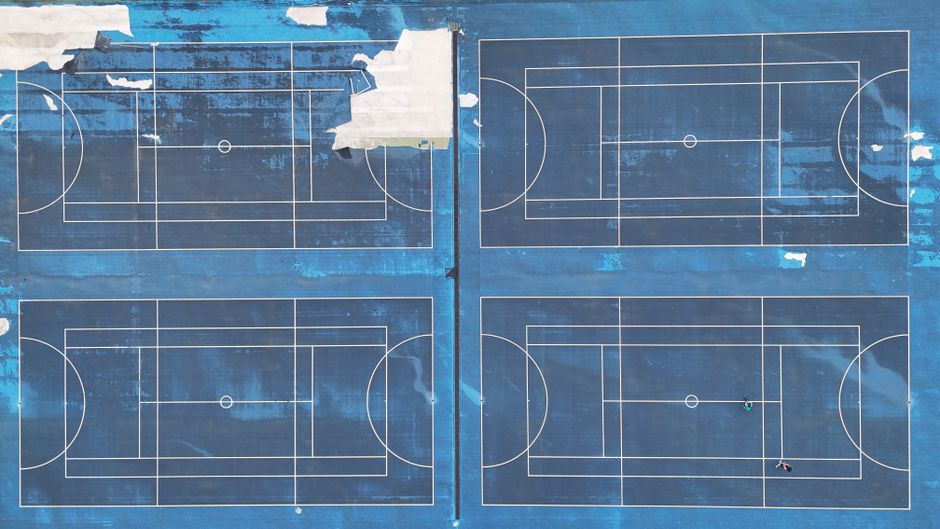
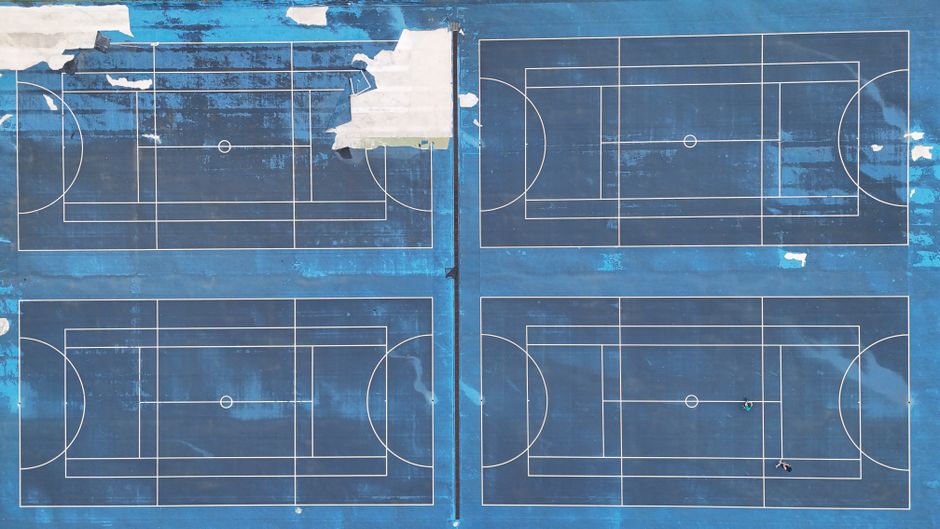
Beyond metropolitan areas, rural infrastructure tells a different story. Towns like Devonport and Ulverstone have benefited from state government grants totalling $890,000 over two years, upgrading tennis courts, AFL facilities and netball courts. Yet funding remains uneven: smaller clubs in townships like Cygnet and Orford operate with ageing infrastructure and volunteer-dependent maintenance.
The challenge facing Tasmanian sport administrators is sustainability. While venue hire fees—typically $80–$150 per hour for junior training—help offset costs, they create barriers for families in lower-income brackets. Some clubs report 12–15 per cent annual increases in facility access costs, threatening the inclusivity that grassroots sport demands.
Industry observers suggest the solution lies in mixed-use precincts that maximise utilisation across seasons. The Sandy Bay Sports Hub model, combining football ovals, tennis courts and an indoor facility under shared management, demonstrates how strategic planning can improve affordability and accessibility for young athletes.
As Tasmania positions itself as a destination for youth sport development, the infrastructure conversation has never been more urgent. Next-generation athletes deserve venues that match their ambitions.
This article was compiled by AI from the sources linked above and screened before publishing. See our editorial standards.