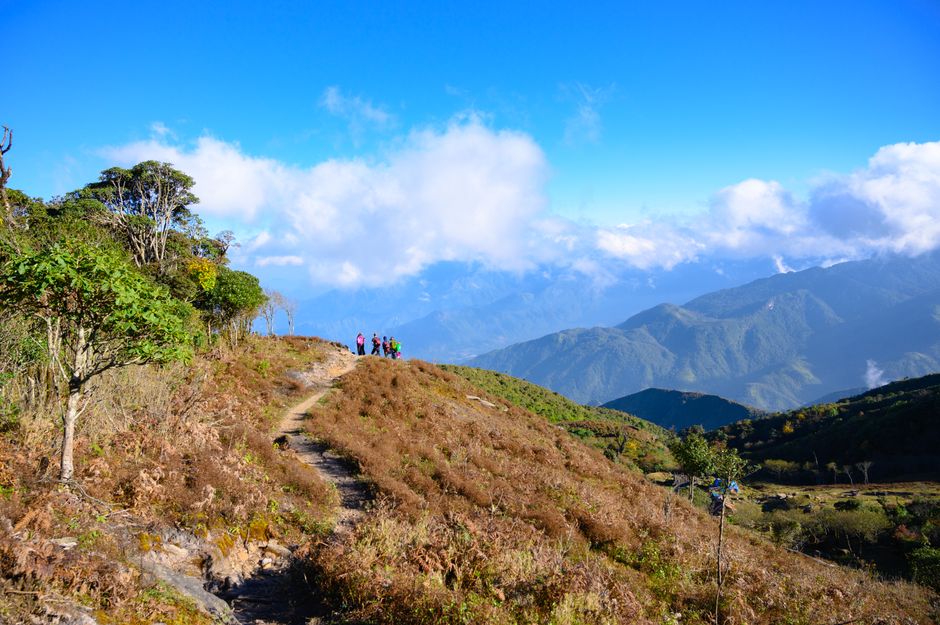
Every weekend, hundreds of visitors tackle the well-worn path up kunanyi/Mt Wellington, unaware that some of Hobart's most rewarding nature walks lie tucked away in neighbourhoods they'll never visit. Local wellness enthusiasts know the real treasure map—and they're quietly reaping the mental and physical health benefits of trails that feel like their own.
Take the Ridgeline Trail, threading through South Hobart and stretching from Cascade Road towards the Organ Pipes. Few tourists know it exists. Locals, particularly those training for longer hikes or seeking consistent cardiovascular work, treat it as their outdoor office. The trail offers gentle elevation gain without the crowds, and the understated views of the Derwent River rival anything from the summit.
Similarly, the Fern Tree Track—accessed via Fern Tree Road—unfolds through native forest so dense it feels like stepping into another world. The 4.5-kilometre loop is perfect for joint-conscious walkers; the soft forest floor absorbs impact far better than asphalt. It's the kind of gentle-but-meaningful movement that wellness practitioners increasingly recommend for sustainable fitness.
Over in Glebe, the Glebe Hill Reserve offers surprising seclusion just metres from suburban streets. The grassy slope and winding paths attract locals who blend their morning constitutional with genuine hill work. Entry is free, parking simple, and by 7am you'll encounter mostly residents rather than selfie-seekers.
For something more immersive, Knocklofty Reserve near South Hobart provides a network of trails ascending through eucalypt woodland. The reserve's quieter western paths—less advertised than the main summit track—deliver authentic bush engagement without the car park chaos. The Hobart City Council maintains basic signage, and local running clubs frequently use it for tempo sessions.
Even the Waterfront's northern reaches, beyond the parkrun course, harbour hidden stretches along the Derwent where joggers and walkers maintain a peaceful rhythm. These aren't Instagram moments; they're functional fitness infrastructure woven into daily life.
The wellness case for seeking out these spaces is compelling. Quieter trails reduce cortisol spikes associated with crowded destinations. They encourage consistency—people return to places that feel like theirs. And they build genuine connection to place, which research increasingly links to long-term mental health resilience.
If you're visiting Tasmania, ask a local. The best trails aren't in the guidebook; they're in lived experience.
This article was compiled by AI from the sources linked above and screened before publishing. See our editorial standards.