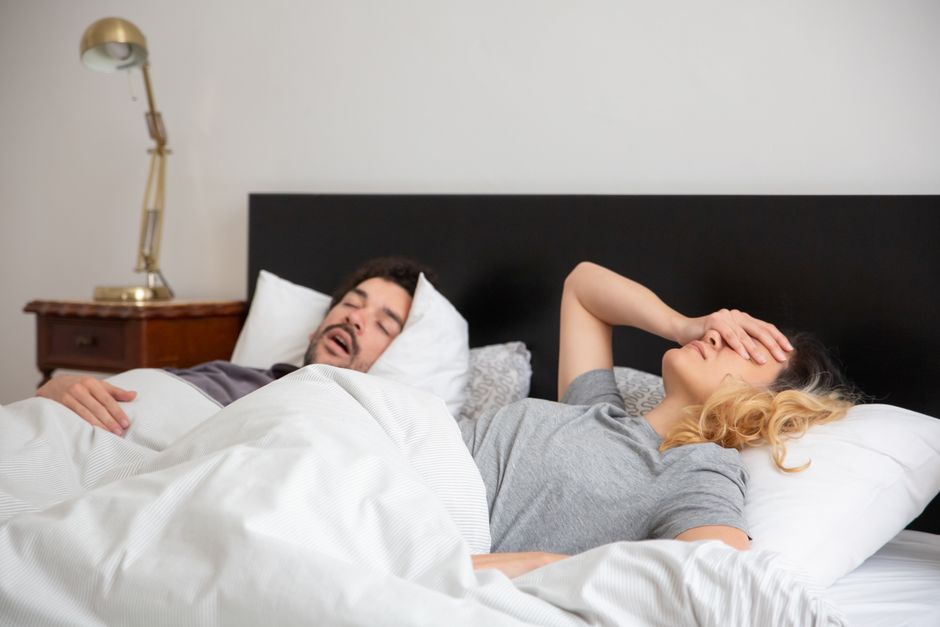
Sleep troubles don't discriminate, but finding answers in Tasmania's healthcare landscape can feel like searching for a quiet bedroom during kunanyi's peak hiking season. Yet Hobart and Launceston now host dedicated sleep clinics equipped to investigate everything from snoring to sleep apnoea—conditions affecting an estimated one in five Australian adults.
The University of Tasmania's Health and Medical Research building on the Hobart campus has become a hub for sleep science, partnering with private practitioners to offer comprehensive sleep assessments. These typically begin with a consultation where sleep specialists review your sleep habits, daytime symptoms, and medical history. Many patients report surprise at discovering how lifestyle factors—evening screen time, caffeine consumption, or irregular sleep schedules—compound underlying sleep disorders.
For those suspecting obstructive sleep apnoea (OSA), the diagnostic pathway usually involves a sleep study. Home-based sleep apnoea tests have become increasingly popular across Tasmania, allowing patients to record their breathing patterns overnight in familiar surroundings. This non-invasive approach costs between $400–$800 privately, though the out-of-pocket expense varies depending on your health insurance coverage. Some local GPs bulk-bill initial consultations, making the first step more accessible.
Clinical sleep laboratories in Hobart, typically located near the Waterfront or in inner suburbs, offer in-lab polysomnography for complex cases—a more detailed overnight monitoring process. These facilities track brain waves, eye movement, muscle activity, and oxygen levels, providing clinicians with granular data. The investment is higher, but diagnostic accuracy can be crucial for conditions requiring urgent intervention.
What makes local assessment valuable is its integration with Tasmanian lifestyle. Sleep specialists understand the unique pressures of our island community: the brightness of our summer evenings, the appeal of evening activities around Hobart's cultural precinct, and the stress patterns unique to smaller communities. Treatment plans increasingly reflect this—one clinic recently highlighted the role of early morning parkrun participation at the Hobart Waterfront in resetting circadian rhythms for shift workers.
If you're considering a sleep study, start with your GP, who can provide referrals and advise on Medicare rebates. The Australian Sleep Foundation's website lists registered clinicians, though calling ahead to confirm Tasmanian practitioners are accepting new patients remains wise. Wait times vary seasonally, but autumn typically sees shorter delays.
Quality sleep underpins every other wellness priority—from joint protection during exercise to managing stress. Getting assessed locally means your treatment plan can be genuinely tailored to life in Tasmania.
This article was compiled by AI from the sources linked above and screened before publishing. See our editorial standards.