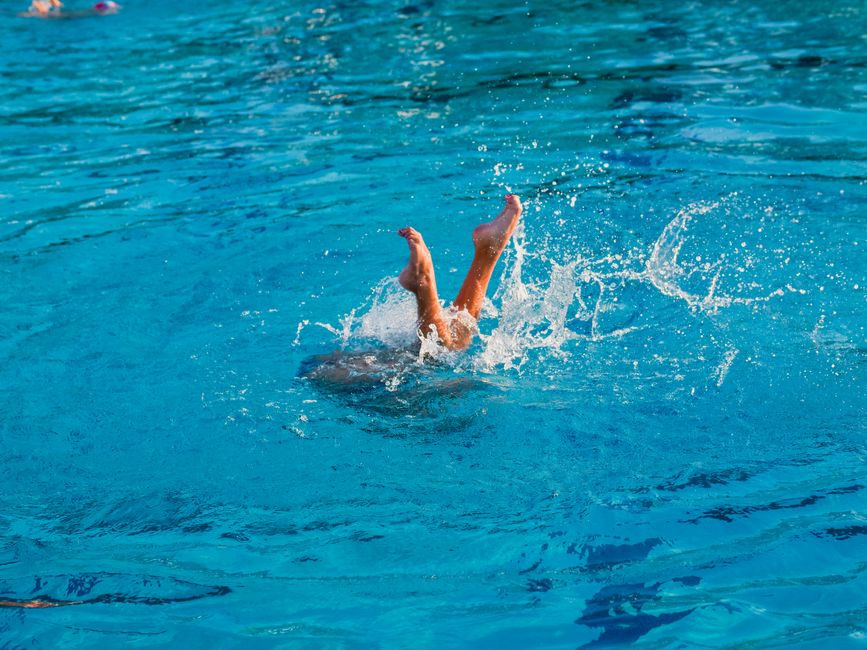
When Sarah Chen moved her family to South Hobart three years ago, she was searching for an activity that would suit her 6-year-old daughter, herself and her elderly mother. She found it at Hobart Aquatic Centre on Davey Street: structured swim classes that ran back-to-back across age groups, from parent-baby sessions at 9am through to adult lap swimming and gentle aqua aerobics for older adults by mid-afternoon.
"It became our family ritual," Chen says. "But what surprised me was how it connected us to the broader community. You see the same faces every week—it builds real friendships."
Across Tasmania, aquatic centres have quietly become cornerstones of community fitness. Hobart Aquatic Centre, operated by Hobsports, runs 45 weekly swim classes ranging from $12 to $18 per session, with unlimited monthly passes at $89. Launceston Leisure Centre on Civic Square offers similar variety, with programs designed specifically for arthritis management and post-injury rehabilitation—services increasingly relevant as Tasmanians live longer, more active lives.
The appeal is clear: water-based exercise removes impact stress on joints while building cardiovascular strength. Unlike high-intensity gym sessions dominating social media, aquatic fitness suits genuine community diversity. A 72-year-old recovering from knee surgery shares a lane with a 35-year-old training for endurance, while a teenager with cerebral palsy learns confidence in the warm-water therapy pool.
Local GP Dr Michael Torres, who works with patients across Glenorchy and Kingston, notes the medical value: "Aquatic exercise has been shown to improve mobility and mental health outcomes. More importantly, the social component—being part of a group—has measurable wellness benefits we're still underestimating."
Sarah's observation about community connection aligns with emerging wellness research. Group exercise, particularly in settings like pools where barriers to entry feel lower, encourages consistency. Unlike solo gym visits or weekend hiking on kunanyi/Mt Wellington—activities requiring specific weather and fitness levels—aquatic centres operate year-round with structured accountability.
Both Hobart and Launceston centres now offer introductory "adult learn-to-swim" programs specifically for migrants and people who missed childhood swim education. These eight-week courses cost $120 and have waiting lists extending three months.
For Tasmanians seeking meaningful fitness that strengthens both body and community, local aquatic centres deserve attention. They're not glamorous. But they're reliable, affordable, and genuinely inclusive—qualities that transform casual exercise into sustainable wellness habits.
This article was compiled by AI from the sources linked above and screened before publishing. See our editorial standards.