Our reporters are based in Tasmania and cover local government, business and community. We are independently owned and editorially independent. Read our editorial standards →
As winter turns to spring, Hobart's outdoor swimming season is heating up—and serious lap swimmers no longer need to choose between fitness and fresh air. Whether you're training for endurance or simply seeking a gentler alternative to indoor pools, the region offers surprising variety.
The Hobart Aquatic Centre on Davey Street remains the gold standard for structured lap swimming, with six lanes dedicated to serious swimmers during off-peak hours. But locals increasingly look beyond the city centre. Moonah Pool, nestled in the northern suburbs, offers a community-focused alternative with dedicated lap times most weekday mornings at 6 a.m.—perfect timing before work. The 50-metre outdoor section reopens each spring, drawing both competitive swimmers and fitness enthusiasts seeking the proven joint-protection benefits that water-based exercise provides.
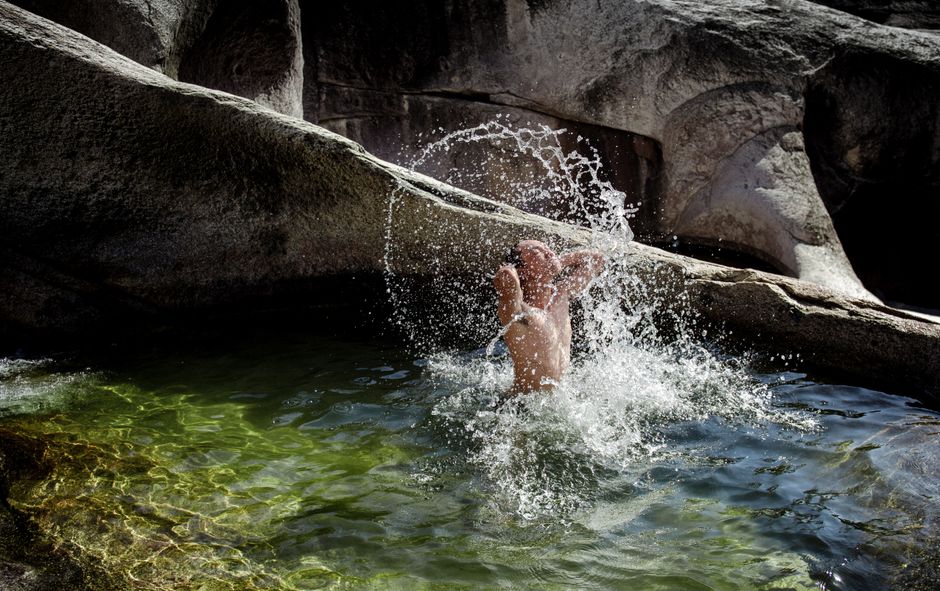
For those craving something more adventurous, Tasmania's natural rock pools offer stunning scenery without the structure. Nutgrove Beach near the Hobart Waterfront has become increasingly popular with open-water swimmers; the sheltered inlet provides calm conditions most mornings. Further afield, Clifton Beach—a 20-minute drive south—offers rockier terrain and deeper pools ideal for those training for ocean swimming events. The cooler water temperatures (typically 14–16°C year-round) deliver real cardiovascular benefits, though a wetsuit is recommended outside summer months.
East of the river, Derwent Park's natural bathing area provides a quieter option. While informal, the deeper sections support steady-paced lap work, and the surrounding parkland makes it an ideal base for combining swimming with the kind of low-impact movement that joint specialists increasingly recommend.
Pricing matters for regular swimmers. Hobart Aquatic Centre lap passes cost around $7.50 per session or $120 monthly. Moonah Pool operates on a similar model. Natural rock pools are free—a significant advantage for those on a budget or training five days weekly.
Before jumping in anywhere new, check local council websites for seasonal closures and water quality updates. The Tasmanian Health Department publishes regular recreational water quality reports, particularly important after heavy rain when runoff affects coastal zones.
The shift toward outdoor swimming reflects broader wellness trends: sun exposure for vitamin D, mental health benefits of water immersion, and the therapeutic effect of training in natural settings. For Hobart swimmers, the choice between structured facilities and wild rock pools isn't either-or anymore—it's simply a question of what your fitness goals and schedule demand today.
This article was compiled by AI from the sources linked above and screened before publishing. See our editorial standards.