Our reporters are based in Tasmania and cover local government, business and community. We are independently owned and editorially independent. Read our editorial standards →
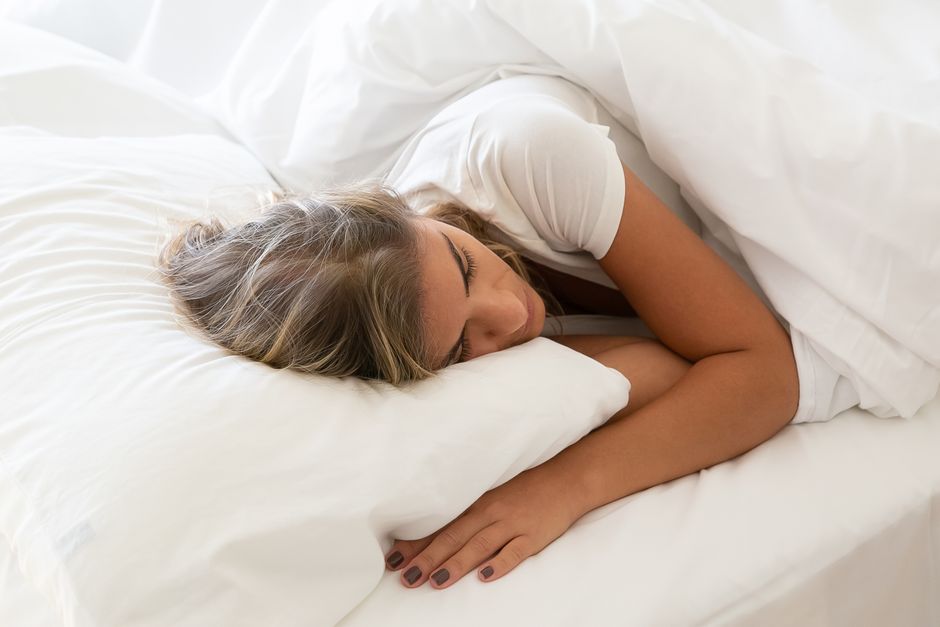
On a chilly Hobart afternoon, the urge to curl up for a quick sleep can feel irresistible. But sleep scientists say that afternoon nap might be working for you—or against you—depending on timing, duration, and your evening plans.
Napping has genuine health benefits when done strategically. A 2024 analysis by researchers at UTAS's Wicking Dementia Research and Education Centre found that short naps (20–30 minutes) can improve alertness, mood, and cognitive function without leaving you groggy. For shift workers at Hobart Hospital or those managing irregular schedules, a timed nap can be protective. "We see people napping to compensate for genuine sleep debt," explains Dr Sarah Chen, a sleep wellness consultant based in South Hobart. "The problem emerges when napping becomes a band-aid for poor nighttime sleep."
The risk is real. Naps lasting 60–90 minutes, or taken after 3pm, can suppress melatonin production and delay your natural sleep onset by hours. For those already struggling with sleep quality—common during Tasmania's darker winter months (May to August)—afternoon napping can trigger a vicious cycle: poor night sleep leads to daytime fatigue, which prompts longer naps, which then disrupts the following night.
Location matters too. A quick 20-minute rest on a bench near the Hobart Waterfront or while parked at Queen's Domain feels restorative. But napping at home, in a dark bedroom, signals your body it's nighttime—making it harder to distinguish from genuine sleep.
For Tasmanians managing active lifestyles—whether training for weekend parkruns in Princes Park or preparing for kunanyi/Mt Wellington summit hikes—naps can aid recovery when kept short and early. Longer naps compromise that evening walk or stretching routine, both crucial for sleep quality.
The bottom line: if you're sleeping well at night and feel sharp during the day, skip the nap. If you're genuinely exhausted, set a timer for 20–25 minutes and nap before 2pm. Avoid napping if you've got evening commitments or plans to exercise after 5pm.
As winter settles in and daylight dwindles, the temptation to hibernate is natural. But protecting nighttime sleep is the real wellness win. If daytime exhaustion persists despite adequate nighttime rest, chat with your GP—it may signal underlying sleep apnoea or another condition worth investigating.
Short, strategic naps are fine. Just don't let them steal from the sleep that matters most.
This article was compiled by AI from the sources linked above and screened before publishing. See our editorial standards.