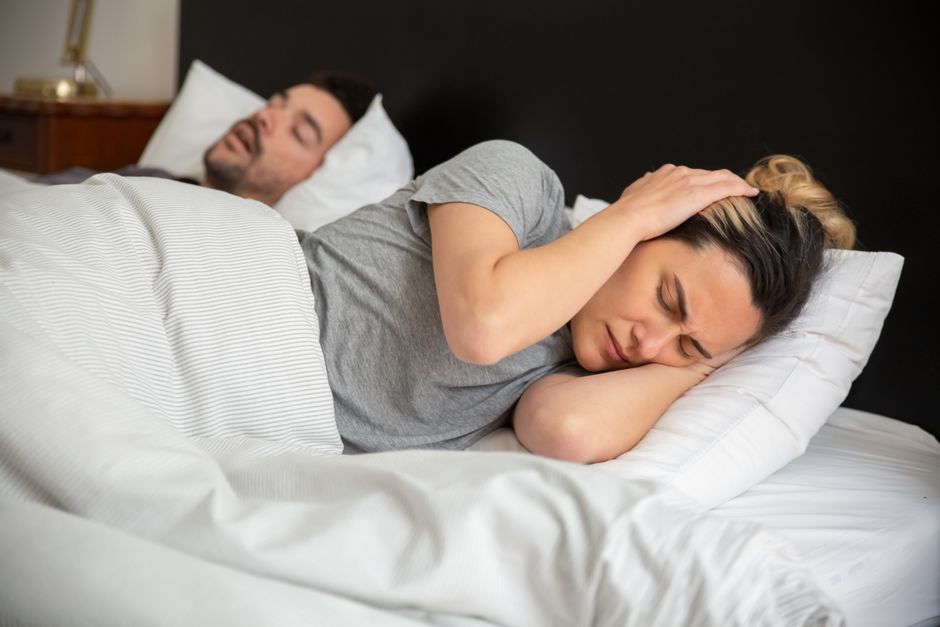
Sleep troubles affect one in three Australian adults, yet many Tasmanians don't realise specialist help is available right here in Hobart. The University of Tasmania's Sleep and Circadian Rhythm Research Laboratory, based at the Hobart campus, has become a hub for understanding sleep disorders—from obstructive sleep apnoea to insomnia—while offering pathways for residents seeking answers.
For those experiencing persistent sleep issues, the Royal Hobart Hospital's respiratory and sleep medicine department provides diagnostic sleep studies. Patients typically undergo a polysomnography test, which monitors brain activity, oxygen levels, and breathing patterns overnight. The process, once intimidating, has become increasingly accessible, with some Tasmanian clinics now offering home-based testing options that allow patients to sleep in their own beds while wearing portable monitoring equipment.
"Sleep health is foundational to everything else," says the wellness sector locally—and that's particularly relevant for Tasmanians balancing active outdoor lifestyles. Weekend hikers tackling kunanyi/Mt Wellington or early-morning regulars at the Hobart Waterfront parkrun often underestimate how poor sleep undermines exercise performance and recovery. Sleep deprivation doesn't just affect alertness; it impacts immune function, metabolism, and injury risk.
Private sleep clinics also operate across Greater Hobart. Most offer initial consultations around $150–$250, with sleep studies typically ranging from $800–$1,500 depending on the testing method. Many are Medicare-rebatable with a GP referral, making them more affordable than they appear.
Getting started is straightforward. Book an appointment with your GP, who can assess your symptoms and refer you to a sleep specialist if warranted. Specialists will ask about snoring, witnessed breathing pauses, daytime sleepiness, and how sleep affects daily life. Keeping a simple sleep diary for a week beforehand helps clinicians understand your patterns.
Beyond clinical support, lifestyle adjustments matter. Tasmania's clean air and accessible green spaces—from South Hobart parks to the Derwent River foreshore—naturally support good sleep hygiene. Regular movement, exposure to natural light, and avoiding screens before bed are evidence-backed strategies that cost nothing.
If you're consistently tired despite adequate time in bed, or if a partner reports breathing pauses during sleep, it's worth investigating. Hobart's sleep medicine specialists are equipped to diagnose conditions that, once identified, often respond well to treatment. Better sleep isn't a luxury—it's a cornerstone of wellness.
For personalised sleep health advice, consult your GP or a local sleep medicine specialist. The UTAS Sleep and Circadian Rhythm Research Laboratory also maintains resources at utas.edu.au.
This article was compiled by AI from the sources linked above and screened before publishing. See our editorial standards.