Our reporters are based in Tasmania and cover local government, business and community. We are independently owned and editorially independent. Read our editorial standards →
Yoga and pilates have experienced a remarkable surge in popularity across Tasmania over the past several years, and 2026 finds the state with a richer studio landscape than ever before. Hobart in particular has seen a proliferation of dedicated yoga and pilates studios, ranging from community-focused spaces in suburbs like North Hobart and Glebe through to polished reformer pilates studios in Sandy Bay and the CBD. Launceston has followed suit, with several well-regarded studios now operating in the inner city and surrounding suburbs. The growth reflects a broader shift in how Tasmanians approach health, moving beyond traditional gym training toward mindful movement practices that address both physical conditioning and mental wellbeing simultaneously.
For beginners exploring yoga in Tasmania, understanding the main style differences helps with choosing the right class. Hatha yoga is the most accessible entry point, with slower-paced classes that focus on foundational postures, alignment and breathwork, ideal for those new to the practice or returning after injury. Vinyasa classes link movement to breath in a flowing sequence and are more dynamic, suiting beginners who want a moderate cardiovascular element alongside flexibility work. Yin yoga involves longer-held passive postures targeting connective tissue and is excellent for stress relief and recovery, making it popular with athletes and office workers alike. Hot yoga, practised in rooms heated to 35 to 40 degrees Celsius, has a dedicated following in Hobart for its detoxification and flexibility benefits, though beginners should approach heated classes with caution and ensure proper hydration.
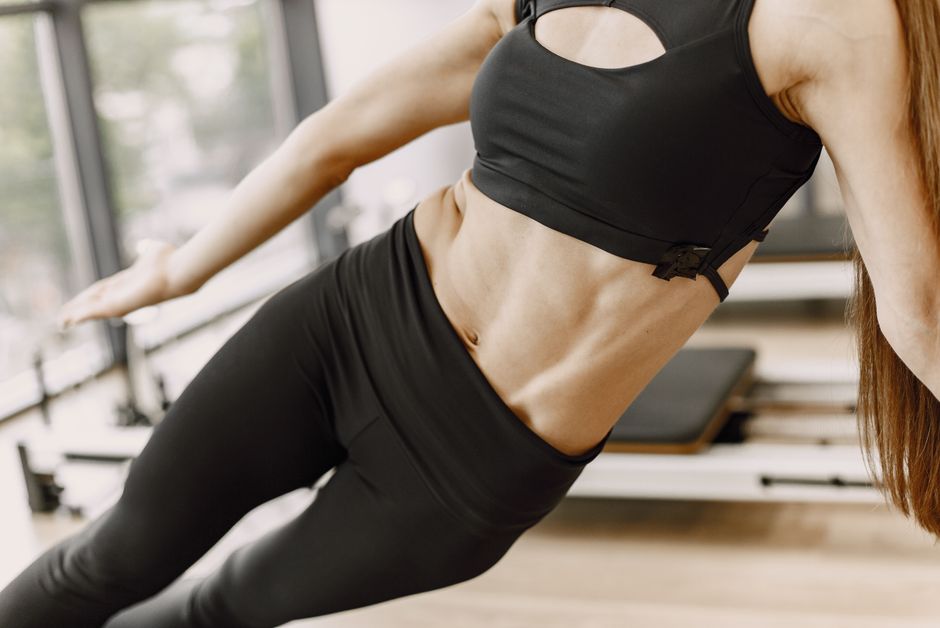
Reformer pilates has become one of the fastest-growing fitness modalities in Tasmania, driven largely by its reputation for core rehabilitation, postural improvement and low-impact full-body conditioning. The reformer machine uses a sliding carriage and spring-based resistance to deliver a highly adaptable workout suitable for all fitness levels and ages. In Tasmania's studio market, casual reformer pilates classes are typically priced between $28 and $45 per session depending on the studio and class size. Monthly unlimited memberships range from around $180 to $280, with introductory packages for new clients often providing the best entry-level value. Mat pilates classes, which do not use the reformer machine, are a more affordable alternative at $15 to $25 per session casual, and are widely available through community centres and yoga studios as well as dedicated pilates spaces.
Beyond the physical benefits, the community aspect of yoga and pilates studios in Tasmania is a genuine draw for many participants. Tasmania's studio culture tends toward the warm and inclusive, with smaller class sizes than in capital city studios, instructors who learn your name and goals, and a social dimension that extends to post-class conversations and community events. Many Hobart and Launceston studios host workshops, retreats and social gatherings that foster a sense of belonging beyond the mat or reformer. For newcomers to Tasmania or people navigating life transitions, the community of a good yoga or pilates studio can provide meaningful social connection alongside the physical and mental health benefits of consistent practice.
This article was compiled by AI from the sources linked above and screened before publishing. See our editorial standards.